Enhancing Customer Experience Through Personalization
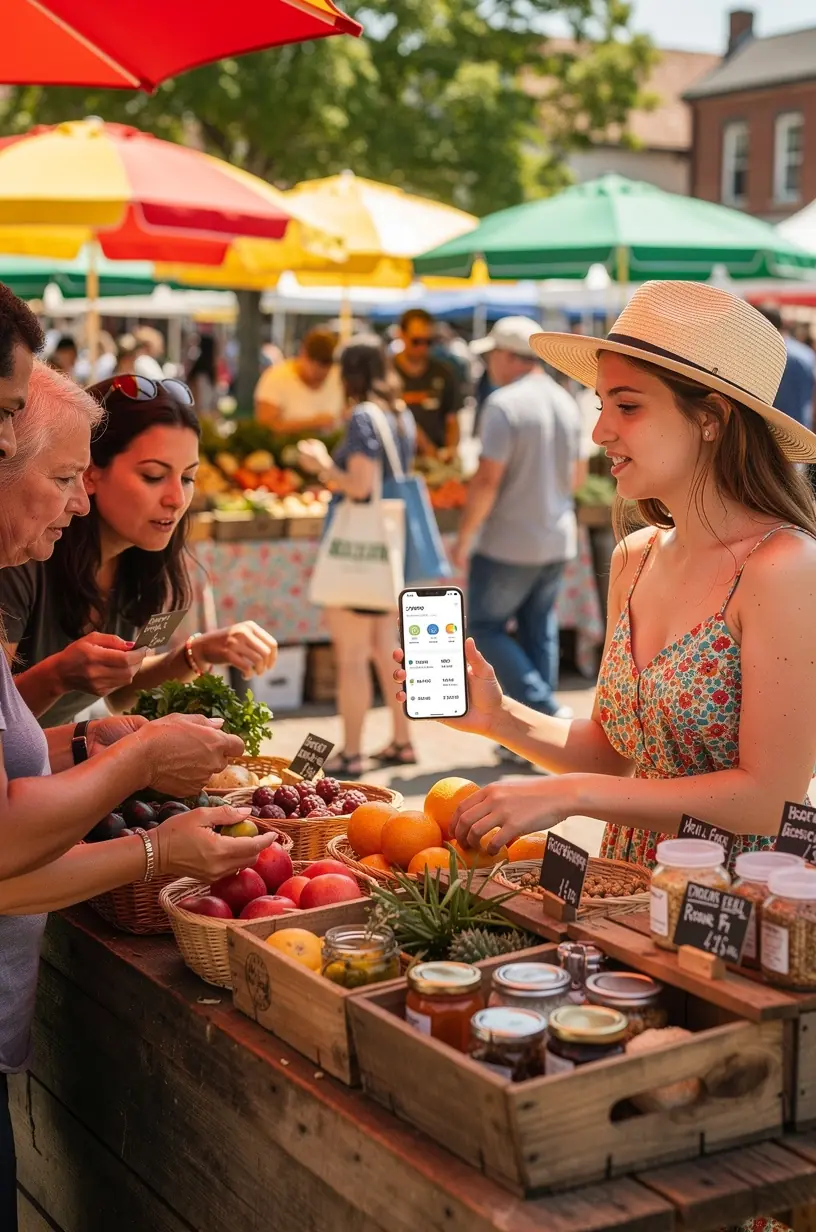
In today's competitive retail and hospitality landscapes, creating a personalized experience for customers is no longer just an option; it is a necessity. This article explores how small businesses can leverage personalization to enhance customer experience, drawing on practical case studies and effective strategies.
Understanding Personalization
Personalization involves tailoring services or products to meet the specific needs and preferences of individual customers. According to industry research, companies that engage in personalization typically see improved customer satisfaction and loyalty. This is largely because personalized experiences resonate more with customers, making them feel valued and understood.
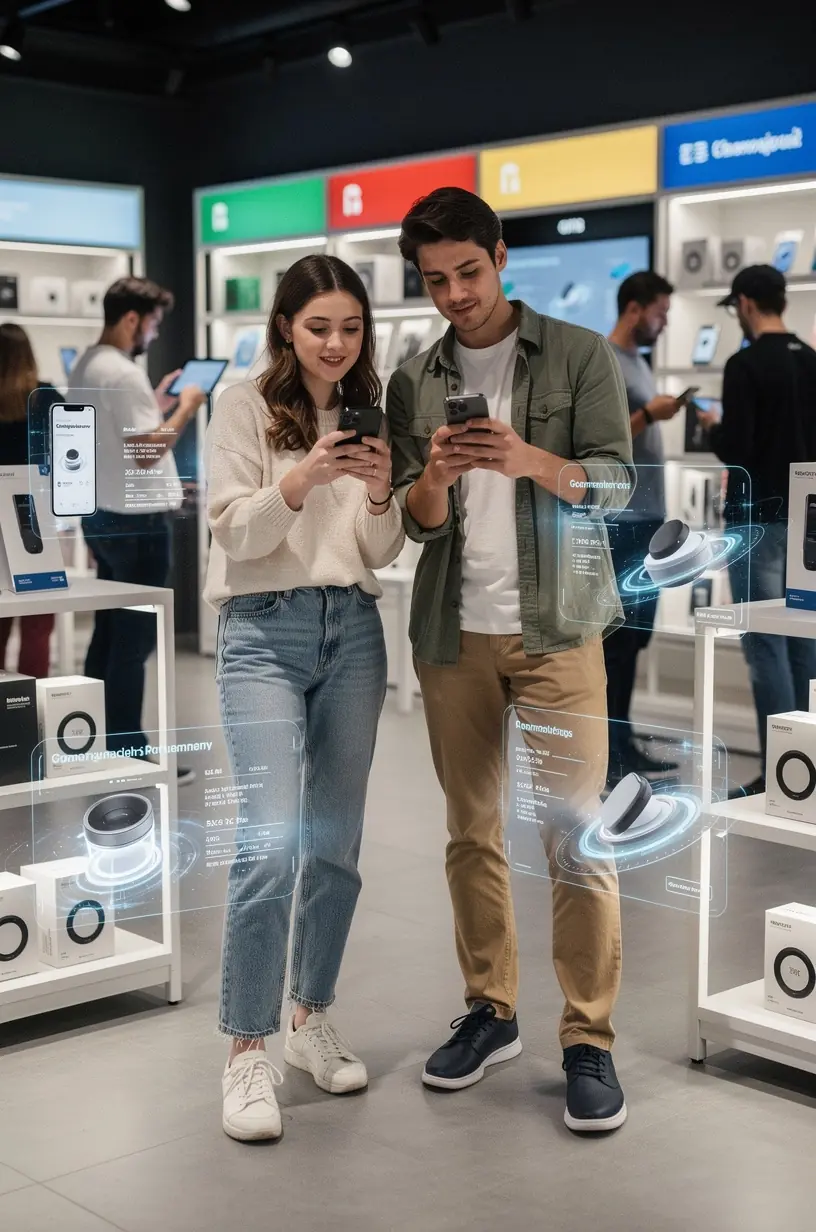
"Personalization has become a key differentiator in how customers perceive businesses. It fosters a sense of connection and loyalty." - Industry Expert
Why Personalization Matters
Many studies indicate that personalized customer interactions can lead to a significant increase in sales and customer retention. For small businesses in retail and hospitality, this can mean the difference between thriving and merely surviving in a competitive marketplace.
Key Benefits of Personalization
- Increased Customer Engagement: Personalized offerings often result in higher engagement rates. Customers are more likely to interact with content that resonates with them.
- Enhanced Customer Loyalty: When customers feel recognized and valued through personalized experiences, they are more likely to return, fostering long-term loyalty.
- Effective Marketing: Personalization allows businesses to create targeted marketing campaigns that resonate with specific demographics, ultimately improving conversion rates.
Practical Application of Personalization Strategies
Implementing personalization doesn’t have to be complex or costly. Here are some practical steps small businesses can take:
- Collect Customer Data: Utilize tools like surveys, loyalty programs, or website analytics to gather data on customer preferences and behaviors. This foundation is crucial for effective personalization.
- Segment Your Audience: Based on the data collected, segment your audience into groups that share similar traits or behaviors. This allows for targeted messaging and offers.
- Utilize Technology Wisely: Invest in user-friendly technology platforms that allow for personalization, such as CRM systems or email marketing tools. Many of these tools offer affordable solutions suitable for small businesses.
- Create Tailored Experiences: Implement strategies that personalize customer interactions, from tailored email campaigns to personalized in-store experiences based on customer history.
Conclusion
Enhancing customer experience through personalization is a powerful strategy for small businesses in the retail and hospitality sectors. By understanding the principles of personalization, implementing practical strategies, and leveraging technology, businesses can cultivate deeper relationships with their customers. Remember, personalization is not just a trend—it's a vital component of a successful customer experience strategy.