Case Study: Streamlining Operations with Cloud Computing
In an ever-evolving digital landscape, small businesses in retail and hospitality must leverage technology to enhance operational efficiency. This case study explores how cloud computing can streamline processes, providing practical insights for those looking to adopt this technology.
Understanding Cloud Computing
Cloud computing refers to the delivery of computing services—including servers, storage, databases, networking, software, and analytics—over the Internet ("the cloud"). According to studies, companies that adopt cloud solutions often see improved collaboration and productivity.
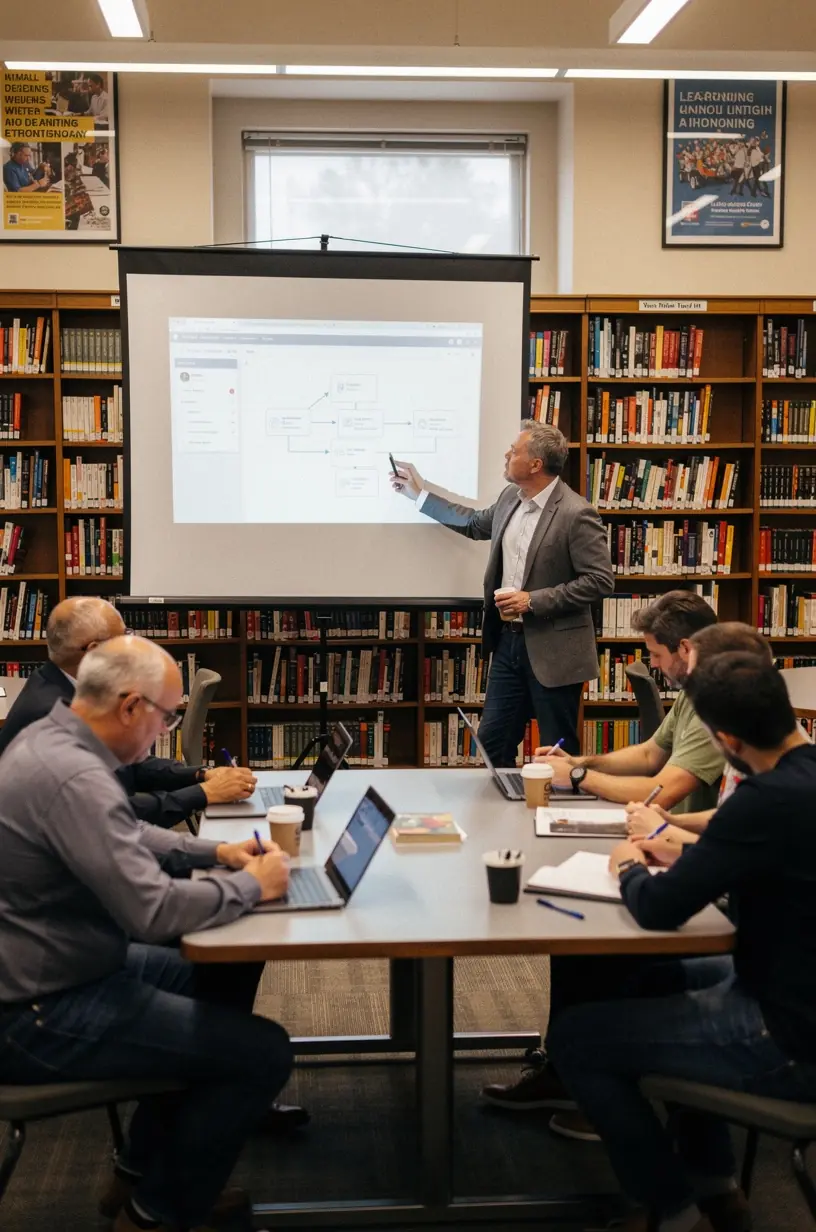
"Cloud computing empowers businesses to access information anytime, anywhere, which can significantly enhance operational efficiency."
The Case of ABC Retail
ABC Retail, a small clothing store, faced challenges with inventory management and customer data accessibility. By transitioning to a cloud-based system, they achieved several key benefits:
- Centralized Data Access: Employees could access inventory data from any device, leading to faster decision-making.
- Cost Efficiency: The cloud solution reduced the need for physical servers, which in turn lowered maintenance costs.
- Scalability: As ABC Retail expanded, the cloud system allowed for seamless integration of new locations with minimal effort.
Implementation Steps
To effectively implement cloud computing, ABC Retail followed a structured approach:
- Needs Assessment: They evaluated existing processes to identify areas for improvement.
- Choosing the Right Provider: ABC Retail researched various cloud services, focusing on those with strong support and user-friendly interfaces.
- Training Staff: They provided training sessions to ensure employees were comfortable using the new system.
- Continuous Monitoring: After implementation, they regularly reviewed the system's performance and made adjustments as necessary.
Challenges and Limitations
While cloud computing offers numerous benefits, it’s important to acknowledge its limitations. ABC Retail experienced a learning curve; staff took time to adapt to the new processes. Moreover, transitioning data to the cloud typically requires thorough planning and can take several weeks to ensure smooth operation.
Conclusion
ABC Retail's journey illustrates that adopting cloud computing can significantly streamline operations for small businesses in retail. By centralizing data and enhancing accessibility, businesses can improve customer experiences and operational efficiency. While the implementation requires thoughtful planning and commitment, the long-term benefits often justify the effort.